Updated
In short
The best puppy food in the UK is a complete food made for puppies, from a brand you recognise. Look for the word "complete" and the right life stage on the label. Ignore most of what else is on the front of the bag. Beyond that, how much you feed matters more than which bag you pick.
Authored by
 Dr Alex Crow
Veterinary Surgeon
Table of contents
A lot of my consultations are spent undoing what a packet has persuaded someone to believe. Owners come into the consulting room certain their food is hypoallergenic, or human grade, or premium, and the dog in front of me is telling a different story.
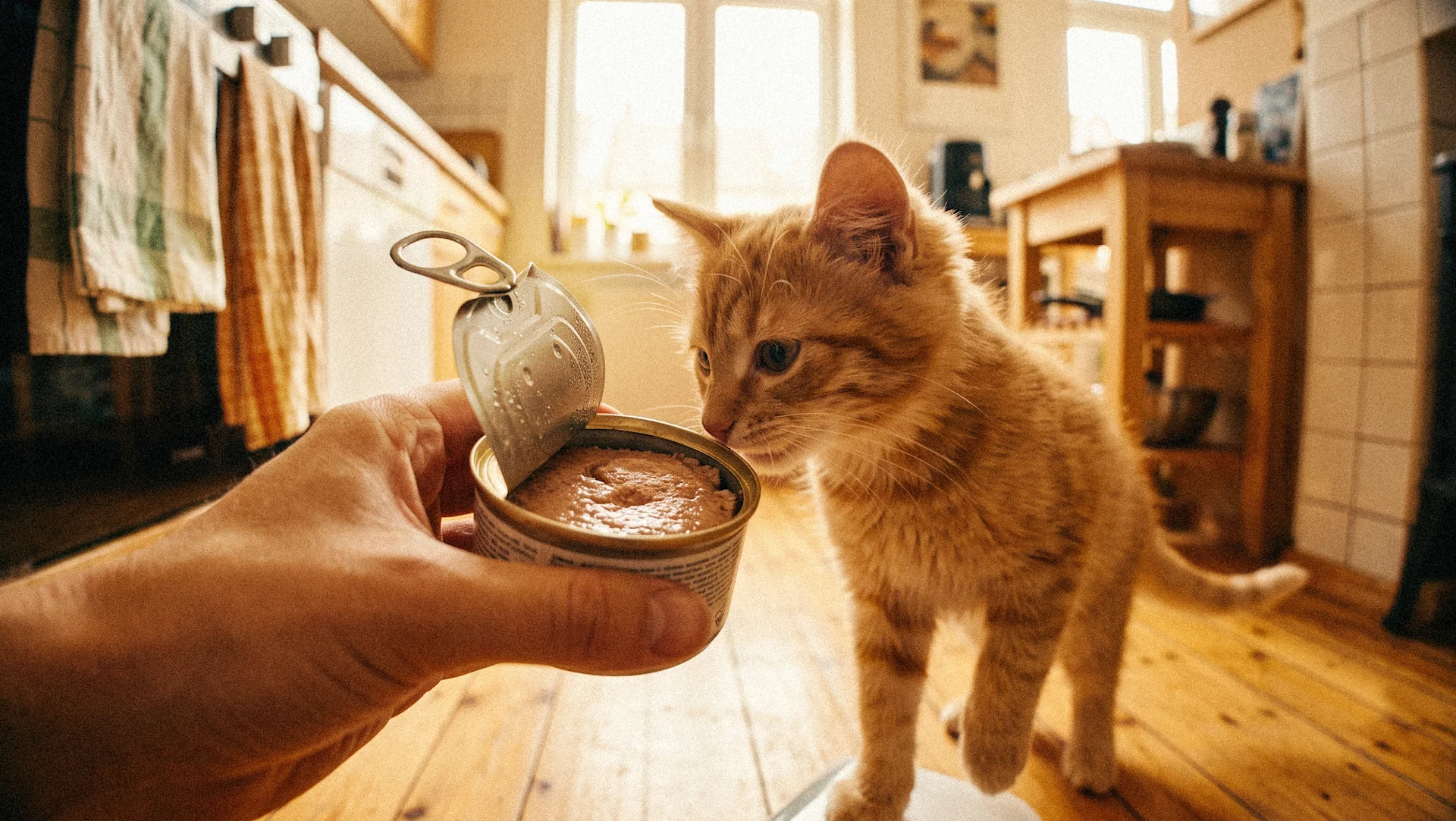
This guide covers the label words worth reading and whether premium foods earn their price. It then covers raw feeding, portion sizes as a puppy grows, and the point at which adult food takes over. If you have a kitten too, our kitten food guide covers the same ground for cats.
What to look for in a puppy food
"Complete" is the one word to look for. On a UK label it is a legal term rather than a marketing one. A food carrying it has been formulated to the FEDIAF nutritional standards with nothing else needing to be added. In practice that means the correct amount of every nutrient your dog needs to survive and thrive. That is the first thing I look for, and it does more work than any marketing claim on the same bag.
You may also see "complete and balanced" written online. That is the American phrasing and you will not find it on UK bags, so the word to look for here is "complete".
Match the food to the life stage. Puppies need puppy food. A senior dog needs something different again, usually lower in energy because they are less active. Life-stage foods are balanced differently on purpose, and that difference is real.
Buy from an established manufacturer. Complete is not true of every dog food on the market, and there is not as much regulation around this as owners assume.
Then there are the words worth ignoring:
"Natural" and "holistic" tell you nothing about the nutrition.
"Hypoallergenic" has been largely hijacked. Plenty of foods carry the word without being what a vet would call hypoallergenic, meaning suitable for a dog that actually has allergies. I regularly meet owners who tell me their dog has been on hypoallergenic food for six months with no improvement, and when I check the bag, it was not a hypoallergenic food at all. The terms that mean something here are hydrolysed protein and novel protein, where the protein is either broken down small enough that the immune system does not react, or is one your dog has never eaten before.
"Human grade" is the one I see used most and rate least. The argument is that the food is good enough for a person to eat. My answer is that your dog is not a person, and has very different nutritional needs. As vets we spend our time telling owners not to feed human food to dogs. A 2013 study at the University of California, Davis looked at 200 home-prepared dog food recipes, including 129 written by vets. It found 95% were short of at least one essential nutrient, and that is human food by definition. So "human grade" is a claim I would largely ignore, and it can steer people somewhere worse.
Is expensive puppy food worth it?
Partly. It depends what you are paying for.
Life-stage formulas are worth it. Puppy, adult and senior foods are balanced differently to meet real differences in what a dog needs, and that is worth the extra if it costs more. This is the one premium distinction I would defend.
Working and active formulas usually are not. They are mostly just more energy-dense. A genuinely working dog, a spaniel out all day or a sled-fit dog, can legitimately need that extra energy. A pet dog on the same food just gets fat more efficiently.
There is a UK quirk behind how often you see the words. Food sold exclusively for working dogs, and not suitable for ordinary pet dogs, can be zero-rated for VAT, which makes it cheaper on the shelf. That is part of why the wording turns up on so many bags. Biscuit and meal are standard-rated whatever the label says.
If your dog is highly active you can simply feed more of an ordinary food. What matters is keeping an eye on their body condition and adjusting the amount, rather than buying a different bag.
Above a certain price, you are paying for marketing. Once a food is complete and correct for the life stage, spending significantly more rarely buys your puppy anything extra. If you have the money and you want to spend it, nobody will stop you. I would not expect it to make a difference to your dog.

Get our latest guides, stories and offers by email
Is raw food safe for puppies?
For puppies, my general advice is to avoid it. Not because raw is inherently wrong, but because not all raw food is created equal, and the risk sits with the producer rather than with the concept.
Some companies do it very well. They balance the food properly and screen the meat for pathogens like salmonella, campylobacter and E. coli, so what you buy is safe. If you are buying from one of those, it is probably fine.
That is a minority of producers. Most raw food comes from small outfits, sometimes made in someone's kitchen and sold online. They do not put the food through that testing, or confirm it is nutritionally complete.
Puppies are where this gets serious. Growing puppies have very specific calcium requirements for building bone, and an unbalanced raw diet can fall short of them. The consequence is not a stomach upset.
So for a puppy, be safe and use a proper puppy food. Moving an adult dog onto raw later is a reasonable choice. I would stick to the better brands that pass the testing. It is puppies where the problems really appear.
“There's unfortunately been cases of puppies being fed an incomplete, unbalanced raw food diet that doesn't have enough calcium in it. Their bones don't develop properly, and they can develop what we call pathological fractures, which is where basically the bones shatter under the weight of the dog.”
Dr Alex Crow / Veterinary Surgeon
Puppy feeding amounts by age
Puppies grow fast and have high energy demands with small stomachs, so they eat little and often at first.
From eight weeks: four meals a day.
From three to four months: three meals a day.
From six months to a year: two meals a day, which is standard for most dogs for the rest of their lives.
Weigh the food and weigh the puppy. Weighing the food means you know exactly what you are giving, which almost nobody does by eye. Weighing the puppy tells you whether they are on track.
Use body condition score, not just the scales. Body condition score assesses whether a dog is in good shape, underweight or overweight. It is more reliable than weight alone, particularly across breeds that vary as much as dogs do.
Count the treats. This is the most common mistake I see. Hardly anyone tracks them, and high-value training treats are high-calorie by definition. Training your puppy matters, so use treats, but subtract them from the day's food. Keep them to no more than 10% of your puppy's daily calories and scale the main ration back to make room. Often you can use their own kibble for training and it works just as well.
Large and giant breeds need particular care. Growing too fast is a genuine risk, because their joints struggle to keep pace with their weight, which is linked to hip and elbow dysplasia and a condition called osteochondrosis. Too many calories is the main way that happens. Too much calcium is the other. Owners assume more calcium means better bones, but large-breed dogs cannot regulate calcium absorption well, and excess interferes with how bone forms. Look for a large-breed puppy food carrying calcium at roughly 1 to 1.2% on a dry matter basis, with a calcium to phosphorus ratio of around 1.2 to 1. Never add a calcium supplement on top of a complete food. A complete large-breed puppy food has this handled for you, which is the strongest argument against home-cooking for a big puppy.
Maximum growth is not optimal growth. A lifetime study of Labradors published in 2002 fed one dog in each pair a quarter less than its littermate, from eight weeks old to the end of its life. The leaner dogs lived a median of 1.8 years longer, with far less arthritis.
When to switch to adult food
It depends on the breed, and the range is wide.
Toy and very small breeds: around nine to twelve months.
Medium breeds: around twelve months.
Large breeds: twelve to fifteen months.
Giant breeds: sometimes not until two years old.
A Great Dane is still growing at eighteen months, so they still need puppy food, probably less of it, but puppy food nonetheless. Look up when your breed is considered an adult on average and make the change then.
Switching too early affects the calcium a growing skeleton needs. Switching too late means too many calories, which puts weight on, strains the joints and brings its own health problems. Make the change gradually once you have decided.
Neutering changes the numbers again. A dog's energy requirement falls by something like 20 to 30% after the operation, because losing those hormones slows their metabolism. Hunger tends to move the other way. Waiting until a dog is visibly gaining weight and then trimming 10% is too little, too late.
What I advise is no change on the day of surgery itself. Then trim portions by around 10 to 20% over the following weeks, and check their body condition every month.
Bowls, scales and the rest of the starter kit are on our new puppy checklist.
Key takeaways
Look for "complete" and the right life stage. "Complete" is the UK legal term, set against the FEDIAF nutritional standards, and those two things settle most of the decision.
Ignore "natural", "holistic" and "human grade". Treat "hypoallergenic" with suspicion unless the food is a hydrolysed or novel protein diet.
Life-stage formulas are worth paying for. Working and active formulas usually are not, so just feed more of an ordinary food.
Avoid raw food for puppies. Unbalanced raw diets have caused bones to develop so poorly they fracture under the dog's own weight.
Feed four times a day from eight weeks, three from three to four months, and two from six months.
Weigh the food, weigh the puppy, and use body condition score rather than weight alone.
Keep treats to no more than 10% of the daily calories and count them as part of the daily food. Kibble works for training.
Switch to adult food between nine months and two years depending on breed, and make the change gradually.
A neutered dog needs 20 to 30% less energy than before, so trim portions by 10 to 20% in the weeks afterwards rather than waiting for weight to go on.
Frequently asked questions
What should I look for on a puppy food label? Two things, and both are on the bag. It must say "complete", and it must say puppy. "Complete" is the legal term on a UK label, and it means the food has been formulated to the FEDIAF standards, so every nutrient is present in the right amount. "Complete and balanced" is the American phrasing and does not appear on UK bags.
Is expensive puppy food better? Life-stage formulas are worth the money. Beyond that, once it is complete and built for puppies, paying substantially more rarely adds anything they need.
Can puppies eat raw food? I would avoid it. Most raw producers do not screen for pathogens or confirm the food is complete. Calcium-deficient raw diets have caused serious bone problems in growing puppies.
How often should I feed a puppy? Four times a day from eight weeks, three once they reach three to four months, and two from six months onwards.
When should a puppy switch to adult food? Nine to twelve months for small breeds and around twelve for medium. Large breeds take twelve to fifteen months, giant breeds up to two years.
Is "hypoallergenic" puppy food worth buying? Not on the strength of the word alone. Many foods carry it without being suitable for a dog with allergies. Look for hydrolysed protein or novel protein instead.
Should I feed my puppy less after neutering? Not on the day of surgery, but sooner than most owners think. Their energy requirement falls by 20 to 30% after the operation, while hunger tends to rise. Trim portions by around 10 to 20% over the weeks afterwards, and check body condition monthly.
For more on feeding, browse our Food & diet guides, or read our complete guide to looking after a puppy for the rest of the first year.
Sources: The home-prepared recipe figure is from Stockman, Fascetti, Kass and Larsen, Evaluation of recipes of home-prepared maintenance diets for dogs, Journal of the American Veterinary Medical Association, 2013. The lifetime Labrador figures are from Kealy and colleagues, Effects of diet restriction on life span and age-related changes in dogs, Journal of the American Veterinary Medical Association, 2002. The VAT position is HMRC's Animals and animal food guidance, VAT Notice 701/15. "Complete" is defined against the FEDIAF nutritional guidelines. The calcium figures, the treat ceiling and the post-neutering portions are typical clinical guidance from a practising UK vet, Dr Alex Crow, correct as at September 2026.
Dr Alex Crow
Veterinary Surgeon
Dr Alex Crow BVetMed MRCVS has been a small animal vet for seven years, with a particular interest in nutrition and in dermatology and allergies. He is Chief Veterinary Officer at The Net Vet and Official Vet for Pooch & Mutt, and reaches around 200,000 followers with pet education content.