
Dr Alex Crow
Veterinary Surgeon
Dr Alex Crow BVetMed MRCVS has been a small animal vet for seven years, with a particular interest in nutrition and in dermatology and allergies. He is Chief Veterinary Officer at The Net Vet and Official Vet for Pooch & Mutt, and reaches around 200,000 followers with pet education content.

About
In practice
Alex graduated from the Royal Veterinary College in 2019 and has spent the seven years since in a range of small animal practices. He is registered with the Royal College of Veterinary Surgeons. His clinical interests are nutrition and dermatology, which between them account for a large share of what a small animal vet actually sees.
In 2024 he was named one of the top thirty veterinary professionals under thirty at the London Vet Show, in the 30under30 awards.
Alongside practice he is Chief Veterinary Officer at The Net Vet and Official Vet for the pet food brand Pooch & Mutt, where the role covers both making educational content and advising the company on its products and how it markets them.
Why he teaches
The teaching came first. He has always liked being an educator, whether that was teaching vet students in practice or explaining the latest bit of chemistry to friends at school, and the content work grew out of that. It started when Pooch & Mutt found his personal Instagram account and asked whether he had thought about making videos. He had not. By his own account the early ones were terrible, but they were liked enough to continue, and he set up his own account not long after. He has since written hundreds of blog articles and built an audience of around 200,000 across Instagram and TikTok as @alex_thevet.
What he makes now is largely responsive. He finds a video of someone doing something questionable to an animal and answers it: what is happening, whether the evidence supports it, and what an owner should actually look for. The method behind it is consistent, and he applies it to himself as much as to anyone else. Is there a study to back this up? Is there evidence it could hurt animals? Does the animal in the video look like it is suffering?
That puts him against a lot of confident, unqualified advice, and he is clear-eyed about the odds. There is excellent content from vets, veterinary nurses and behaviourists, and there is a great deal of dangerous content from people whose only qualification is a loud voice and an engaging manner. The platforms reward the second kind, because shocking content travels further than accurate content. He describes it as a never-ending battle whose only real aim is to outnumber the bad advice.
What he comes back to
The subjects he comes back to are the ones owners are most often misled about: raw feeding and the difference between producers who test their food and those who do not, homeopathic flea and worm remedies with no evidence behind them, vaccine misinformation, and the health consequences of breeding dogs to look a certain way. On the questions that reach him through The Net Vet and social media, it is the everyday clinical picture: itchy skin and allergies, lumps and bumps, upset stomachs, ear infections and, increasingly, owners who have recognised their pet is overweight and want help.
His answer to most of it is the same, and it is not the answer that gets shared. Advice on the internet cannot see your animal. On anything that matters, speak to your own vet and get something tailored to the pet in front of you.
Credentials and experience
- Qualification
- BVetMed, Royal Veterinary College, 2019 · MRCVS, registered with the Royal College of Veterinary Surgeons (reg. 7333803)
- Experience
- Seven years as a small animal vet, across a range of small animal practices
- Current roles
- Veterinary Surgeon · Chief Veterinary Officer, The Net Vet · Official Vet, Pooch & Mutt
- Awards
- 30under30, London Vet Show 2024. Named one of the top thirty veterinary professionals under thirty
- Specialism
- Nutrition · Dermatology and allergies · Puppy and kitten health · Preventative care
- Public education
- Hundreds of pet blog articles, and video content as @alex_thevet on Instagram and TikTok, reaching around 200,000 followers
- Most asked about
- Feeding routines · Itchy skin and allergies · Lumps and bumps · Vomiting and diarrhoea · Ear infections · Weight loss
Articles by Alex
 Read more
New pet & life changes
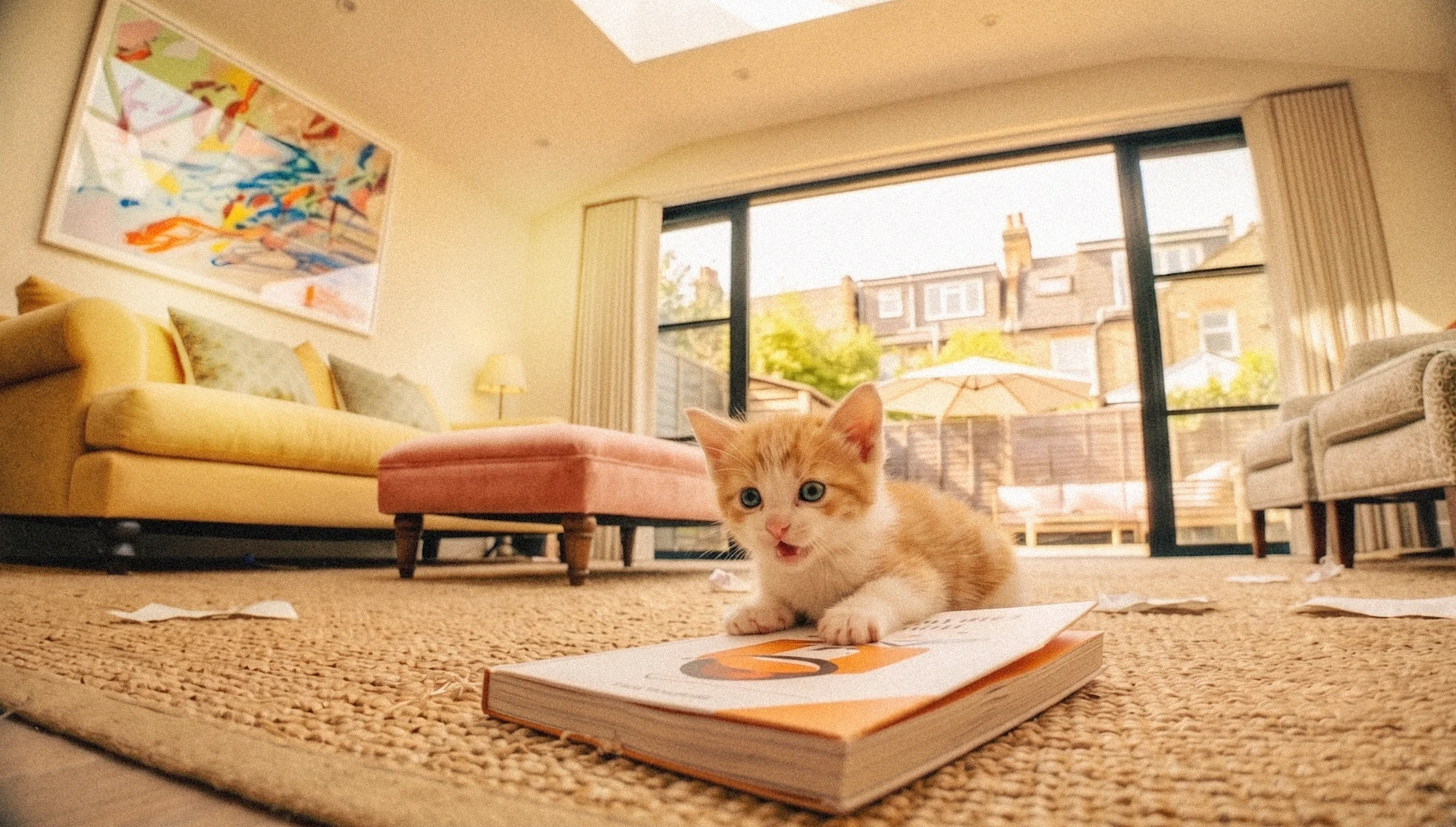
New Kitten Checklist: What to Buy and How to Prepare
Before your kitten arrives you need a top-opening carrier, two litter trays, shallow food and water bowls, the same food the breeder is using, and a bed or box to hide in. Then kitten-proof the room they will live in, which matters more than anything on the shopping list.
 Read more
Medical & vet care
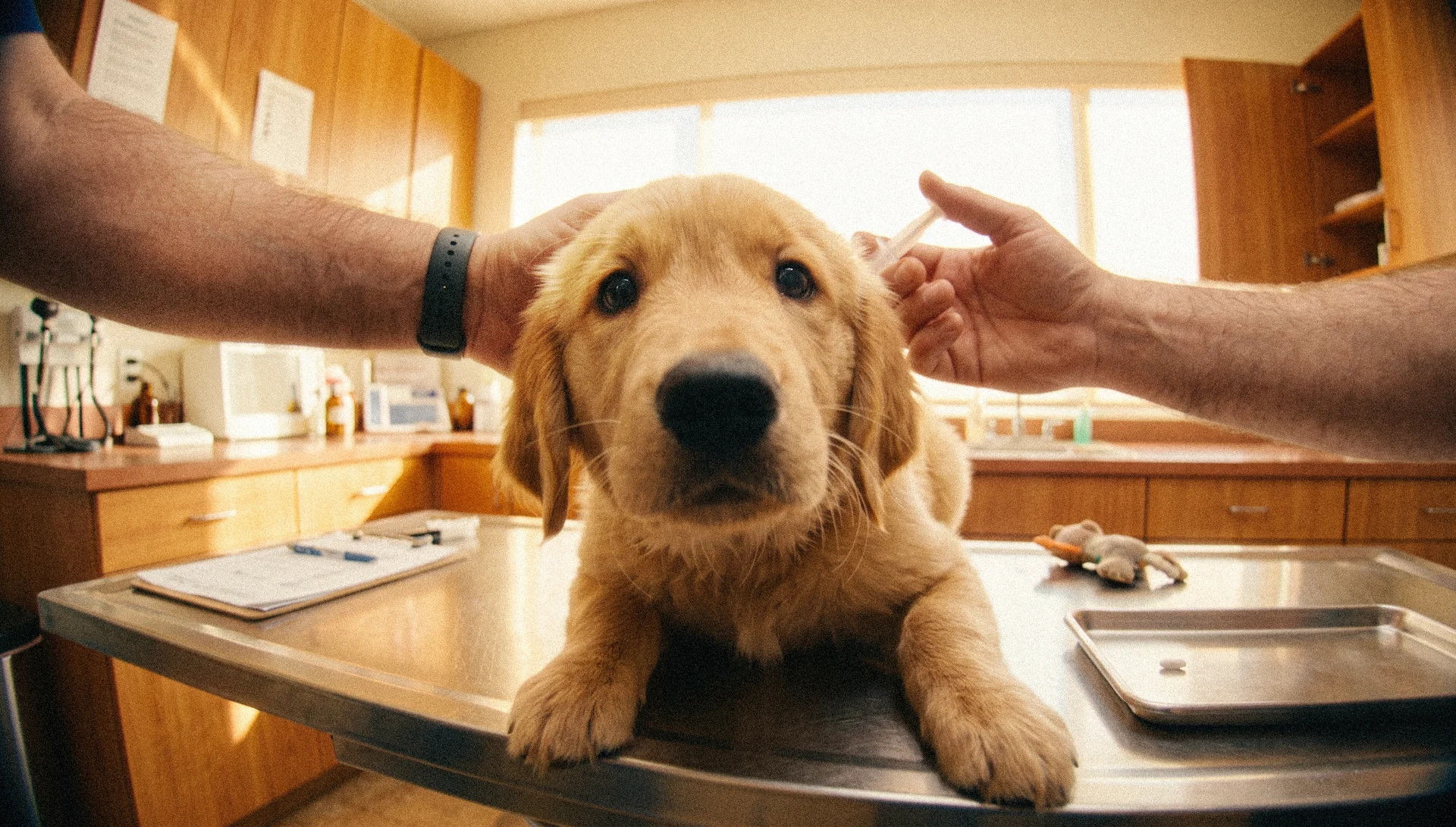
Your Puppy's Vaccinations: The UK Schedule Explained
The UK puppy vaccination schedule is usually two injections. The first is at eight weeks, though some vaccines are licensed from six or seven. The second follows two to four weeks later, so most puppies are ten to twelve weeks old for it. Both cover distemper, hepatitis, parvovirus and leptospirosis. Your puppy can start going out in public one to two weeks after the second injection, with some sensible limits until leptospirosis cover is complete, often about three weeks after it.
 Read more
New pet & life changes
Bringing a Kitten Home: The First 24 Hours
Set up one quiet room before your kitten arrives, with the litter tray in a private corner, food and water apart from each other, and an obvious place to hide. Bring them home in a rigid carrier half-covered with a light towel. Then leave them alone to explore at their own pace, and expect them to eat nothing for the first few hours.
 Read more
New pet & life changes
The Best Dog Breeds for First-Time Owners in the UK
The best dog breeds for first-time owners are the ones that forgive a few mistakes, among them Labradors, Border Terriers, Miniature Schnauzers and Greyhounds. There is no single right answer, though. The breed that suits you depends on where you live, how much time you have and what you can afford. Getting that match right matters more than any list.
 Read more
Food & diet
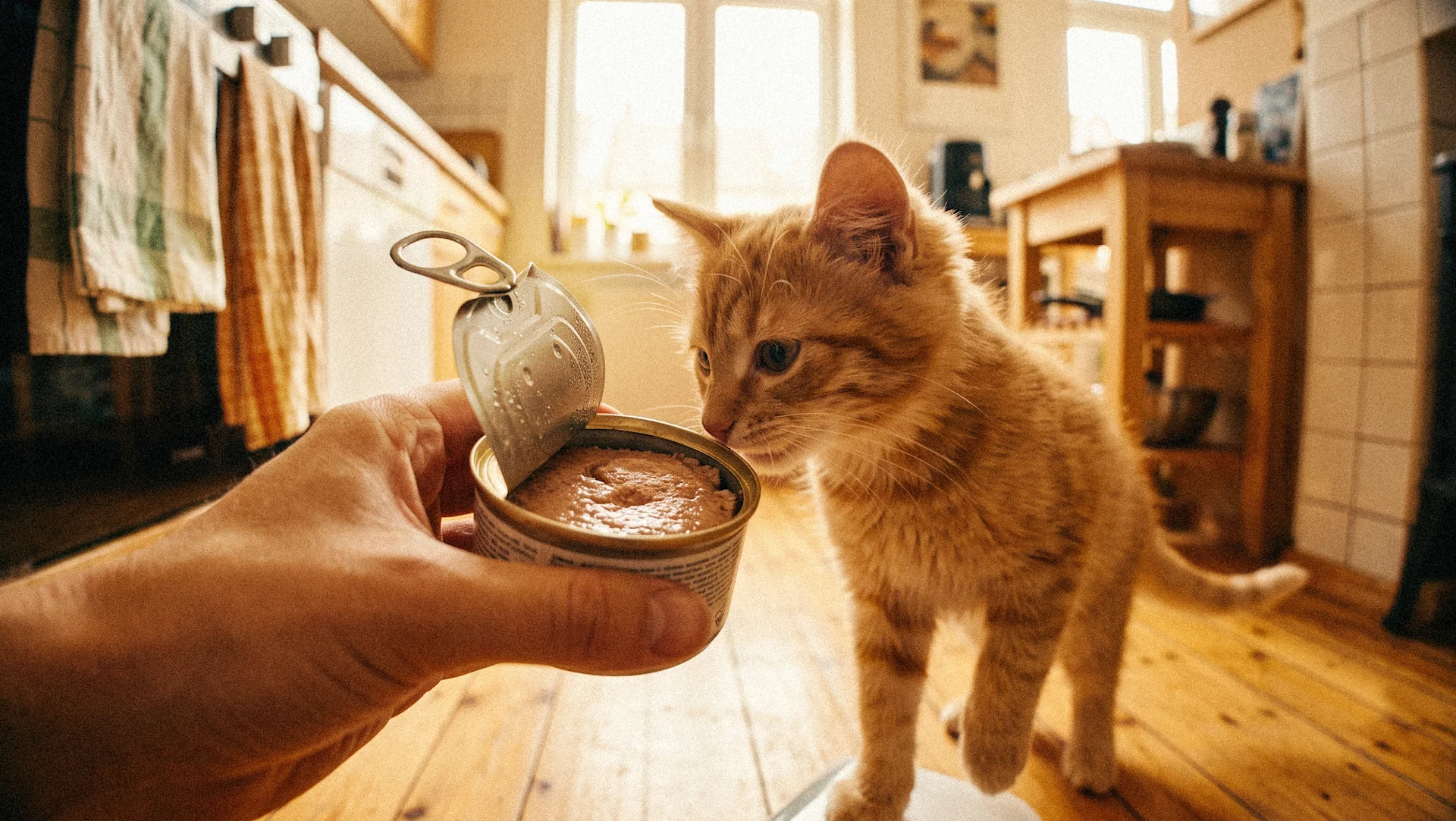
The Best Kitten Food in the UK: A Buyer's Guide
The best kitten food in the UK is a complete, kitten-specific food from a manufacturer you have heard of. Very cheap food really is worse, so it is worth avoiding the bottom of the market. Above that, a more expensive bag rarely gives your kitten anything the mid-priced one does not.
 Read more
Food & diet
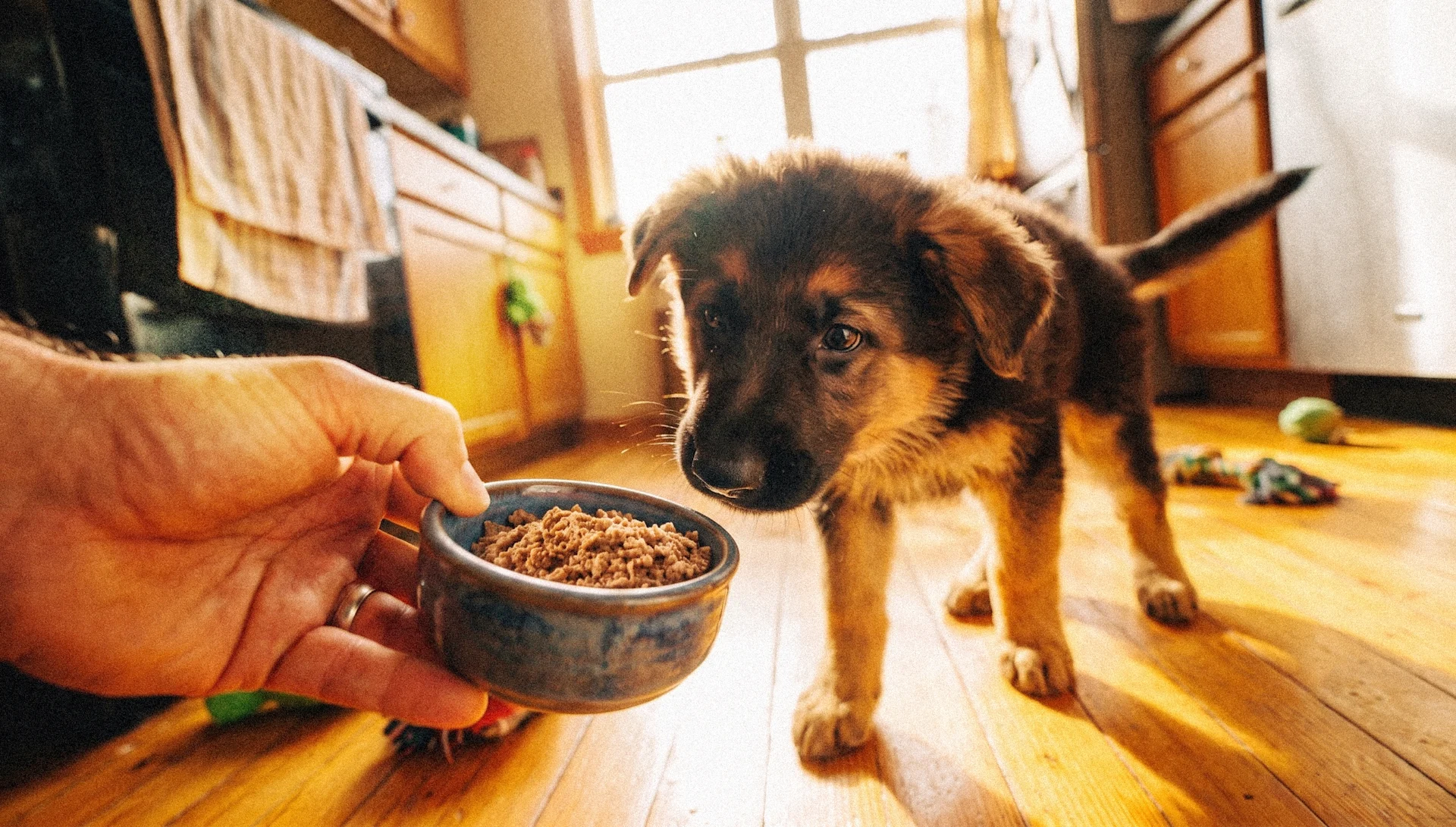
The Best Puppy Food in the UK: A Buyer's Guide
The best puppy food in the UK is a complete food made for puppies, from a brand you recognise. Look for the word "complete" and the right life stage on the label. Ignore most of what else is on the front of the bag. Beyond that, how much you feed matters more than which bag you pick.
Articles reviewed by Alex
 Read more
New pet & life changes
New Puppy Checklist: What to Buy and How to Prepare
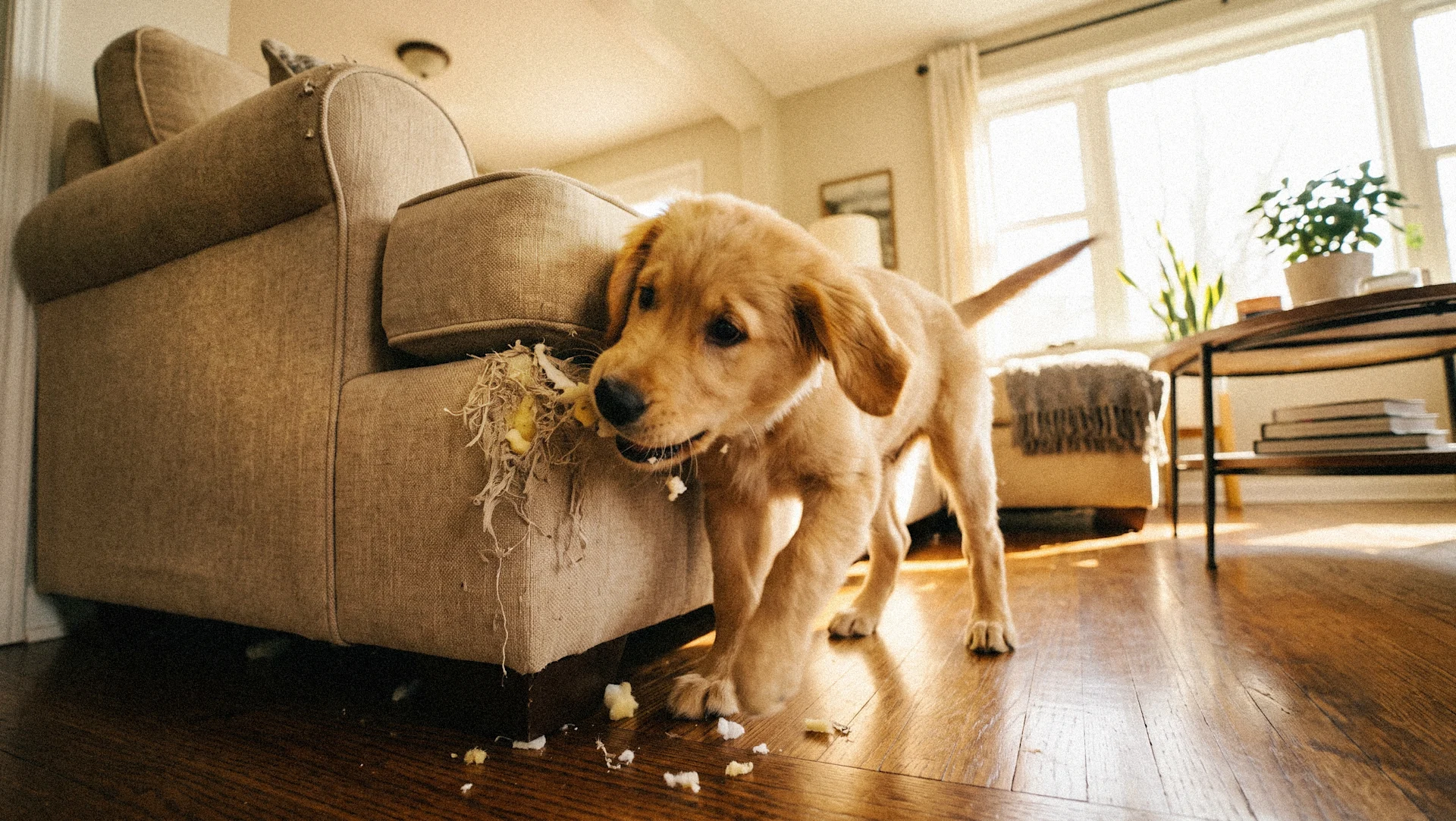
Before your puppy arrives you need a collar with an ID tag, a harness, a crate or bed, a car carrier, bowls, the food the breeder is using, and toys they can chew and work for. Buy the collar and harness early, so your puppy can get used to wearing them long before they need to.
 Read more
Behaviour & training
When Can Puppies Go Outside? A UK Vet-Backed Guide
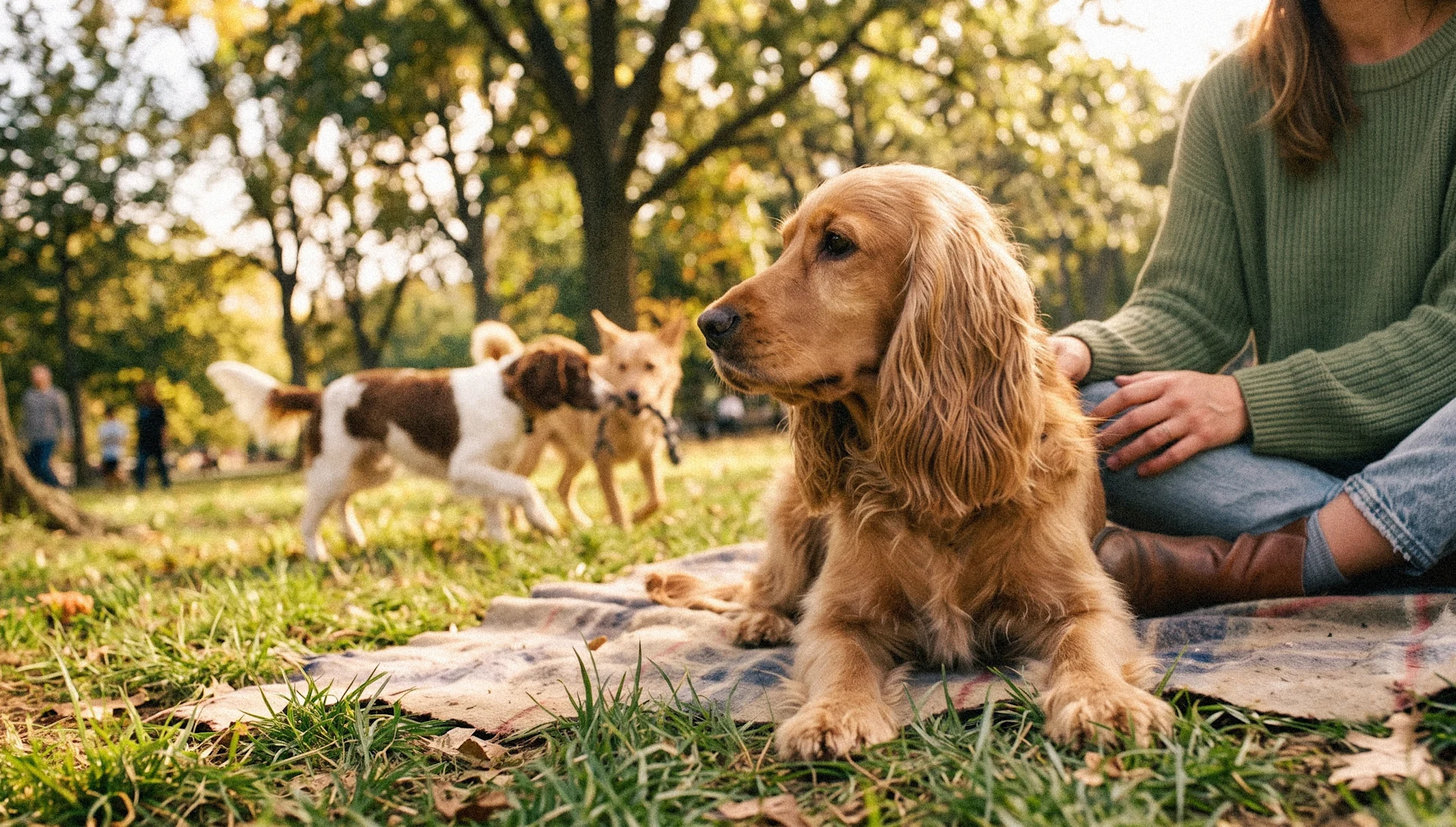
Your puppy can go outside in public one to two weeks after their second vaccination. For a few weeks after that second jab, usually about three, keep to pavements and built-up areas while leptospirosis cover builds. Stay off farmland, woodland and standing water such as ponds and canals, and do not let them drink from puddles.
 Read more
Pet insurance
How Much Do Vet Fees Cost in the UK? A Price Guide
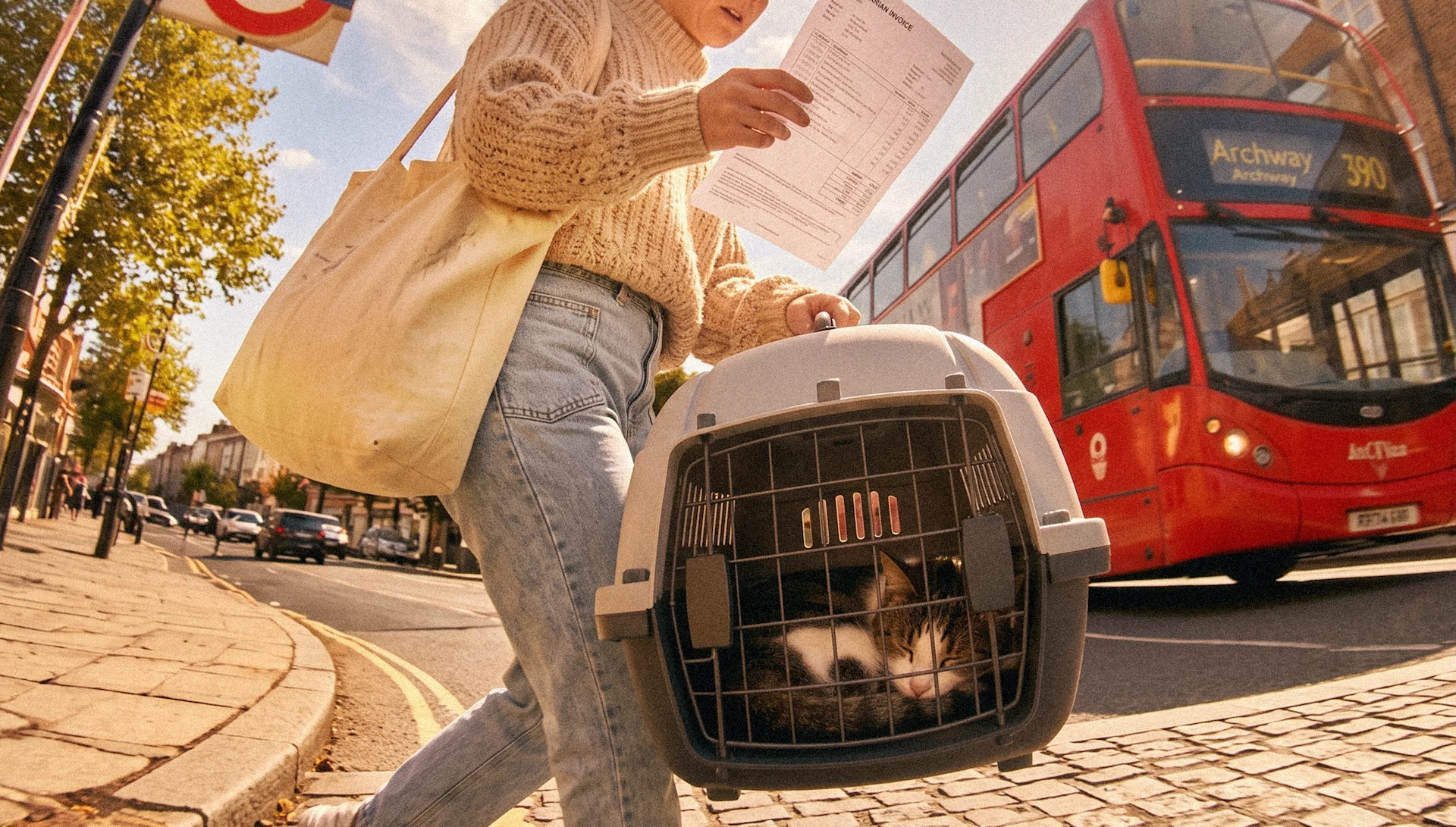
Vet costs in the UK run from about £40 for a standard consultation to £1,000 or more for imaging. A first year with a puppy or kitten typically costs £380 to £900 in veterinary bills alone. Out-of-hours care usually adds somewhere around £150 to £300 before treatment even starts.