Updated
In short
Your puppy can go outside in public one to two weeks after their second vaccination. For a few weeks after that second jab, usually about three, keep to pavements and built-up areas while leptospirosis cover builds. Stay off farmland, woodland and standing water such as ponds and canals, and do not let them drink from puddles.
Authored by
 Natalie Brundish
Editor, HowPets
Reviewed by
 Dr Alex Crow
Veterinary Surgeon
Table of contents
That is the safety answer. It is not the whole answer, because the socialisation window is largely closing by twelve to fourteen weeks, before most puppies finish their course. Waiting for full protection before your puppy sees anything of the world causes its own problems. There is a lot you can safely do in the meantime.
When it is safe: after which vaccination?
After the second vaccination, plus one to two weeks. Your puppy is not protected after the first injection, so what waits is paws on the ground in public. Carrying them out is fine, and there are safe ways to do it below. After the second, allow one to two weeks for it to take effect, then they can start going out. Give it at least two to three weeks before they meet dogs you do not know.
Then give it a few weeks before the rough stuff. Leptospirosis protection is often not complete until about three weeks after the second dose. The timing varies by vaccine, so ask your vet to confirm it for the one they use. Until that point, favour streets, pavements and built-up areas, and keep away from farmland, woods and anywhere wet.
The primary course is two injections, usually starting at eight weeks with the second two to four weeks later. Your practice may use a slightly different protocol depending on the brand of vaccine. Some offer a split schedule that lets a puppy out around a week earlier. Ask them which they use.
Read our full guide to the UK puppy vaccination schedule
Why the timing matters
The diseases the vaccines protect against are not theoretical. Distemper, hepatitis and parvovirus can all kill a puppy, and leptospirosis can pass to people as well as dogs.
The risk is mostly what has been left on the ground. Parvovirus spreads through infected faeces and contaminated ground. A popular park is risky because it has been busy with dogs for months, rather than because of the dog you might meet today.
A town centre is a different proposition. Plenty of noise, people and traffic to take in, and relatively little dog fouling. That makes it one of the best places to carry a puppy for socialisation.
Quiet does not mean safe, though. Parvovirus survives in the ground for months. An empty rural path can still carry it long after the dog that left it has gone.
Standing water is the leptospirosis risk. It spreads through rat urine, so the places to avoid are ponds, canals, ditches and any stagnant pool that has sat there long enough for rats to be around it. Standing water that never moves is the worst of it, but do not let a puppy drink from puddles either. Drinking from standing water of any kind is the classic route in.
The other risk runs the other way. Puppies who miss the socialisation window develop behavioural problems, and those problems are among the biggest killers of young dogs. Young dogs are put to sleep because of how they behave, and that behaviour often starts in weeks nobody used. Both risks are real. The answer is not to pick one and ignore the other.
“There is evidence to suggest that you should actually socialise your dog a bit sooner, even before the second vaccine, as long as you're doing it with other dogs that you know are 100% vaccinated: organised play dates rather than just mixing with random dogs.”
Dr Alex Crow / Veterinary Surgeon

Get our latest guides, stories and offers by email
Owners are often told their puppy cannot go out until they are fully vaccinated, and take it to mean the puppy stays indoors entirely. That is not what it means, and the cost of doing it is high. Socialisation after the window has closed is not socialisation any more, it is rehabilitation, which is much harder work.
The trick is that most early socialisation does not need your puppy's feet on the ground.
Carry them out and let them watch. Pick them up, or use a sling, and go and sit somewhere with things happening. A bus stop gives you engine noise, air brakes, bikes, people talking and the smell of traffic, all without your puppy touching the pavement. Twenty minutes is plenty.
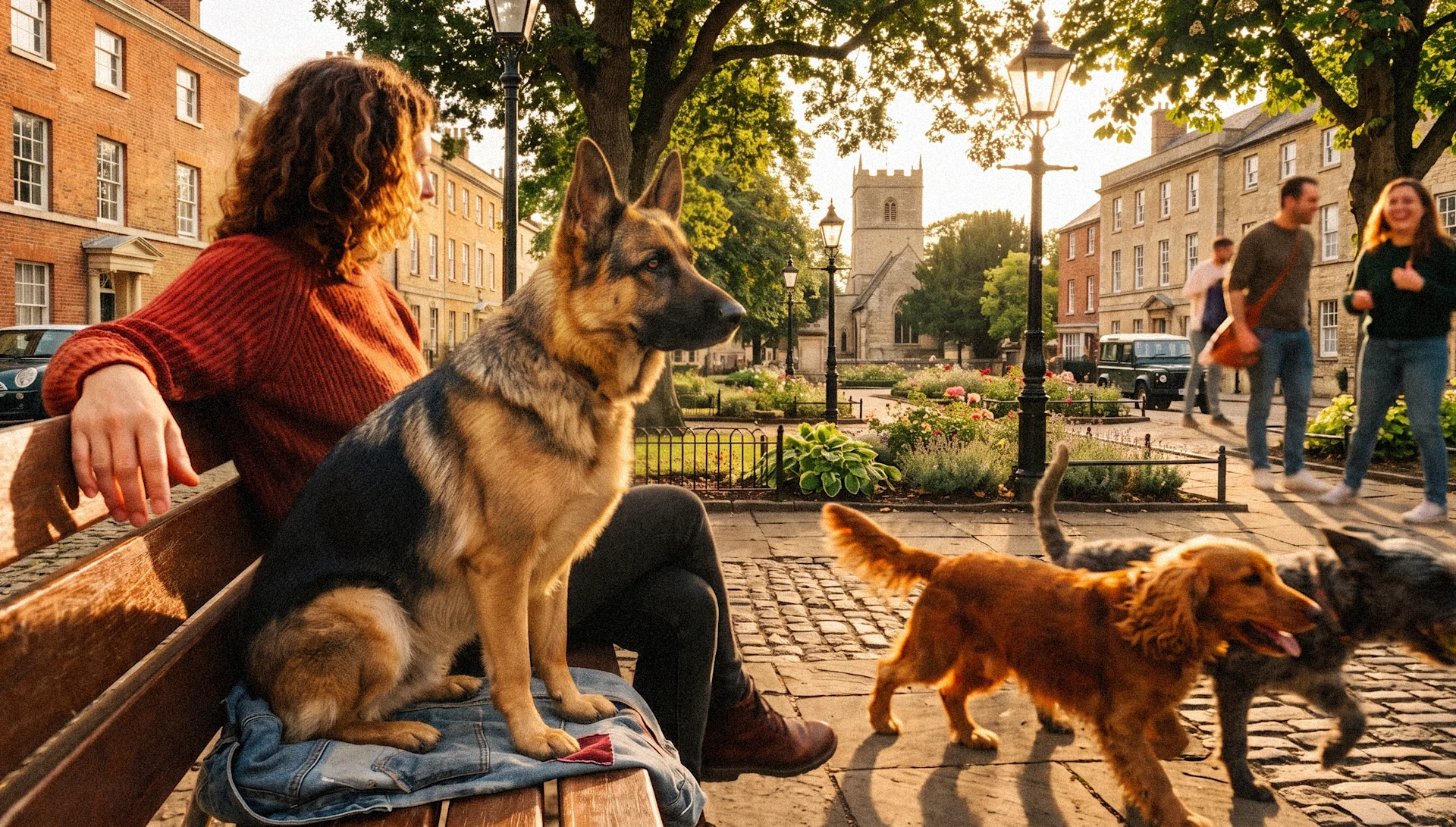
Put a blanket down. Take one to a bench or a quiet corner of a park, away from the main entrances and dog routes where fouling concentrates. Sit with your puppy on your lap or the blanket, and let them watch children on the swings, dogs at a distance and general commotion. Bring something to chew and let them take it in.
Use the car as a hide. Park at a supermarket, open the boot, sit in it with your puppy and watch trolleys, lorries and people going past.
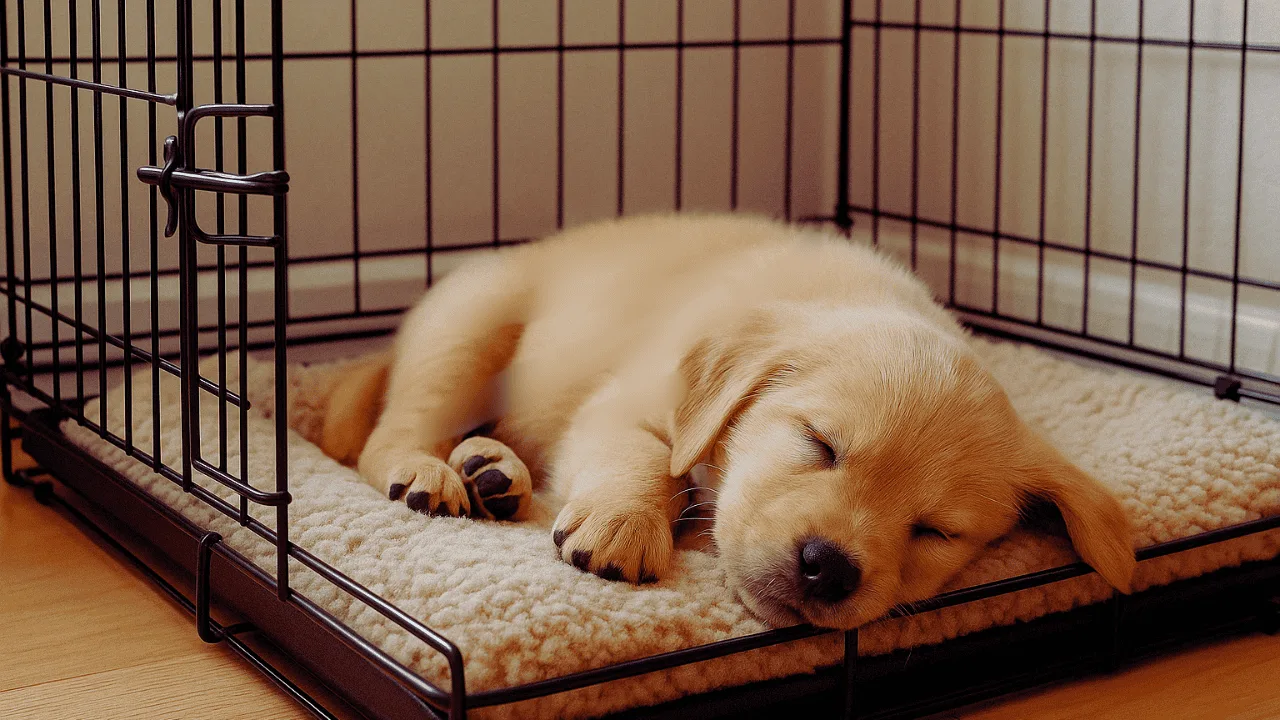
Then let them sleep it off. All of that is hard work for a young brain. Expect your puppy to need a long sleep in their den afterwards, which is when they process what they saw and file it as normal.
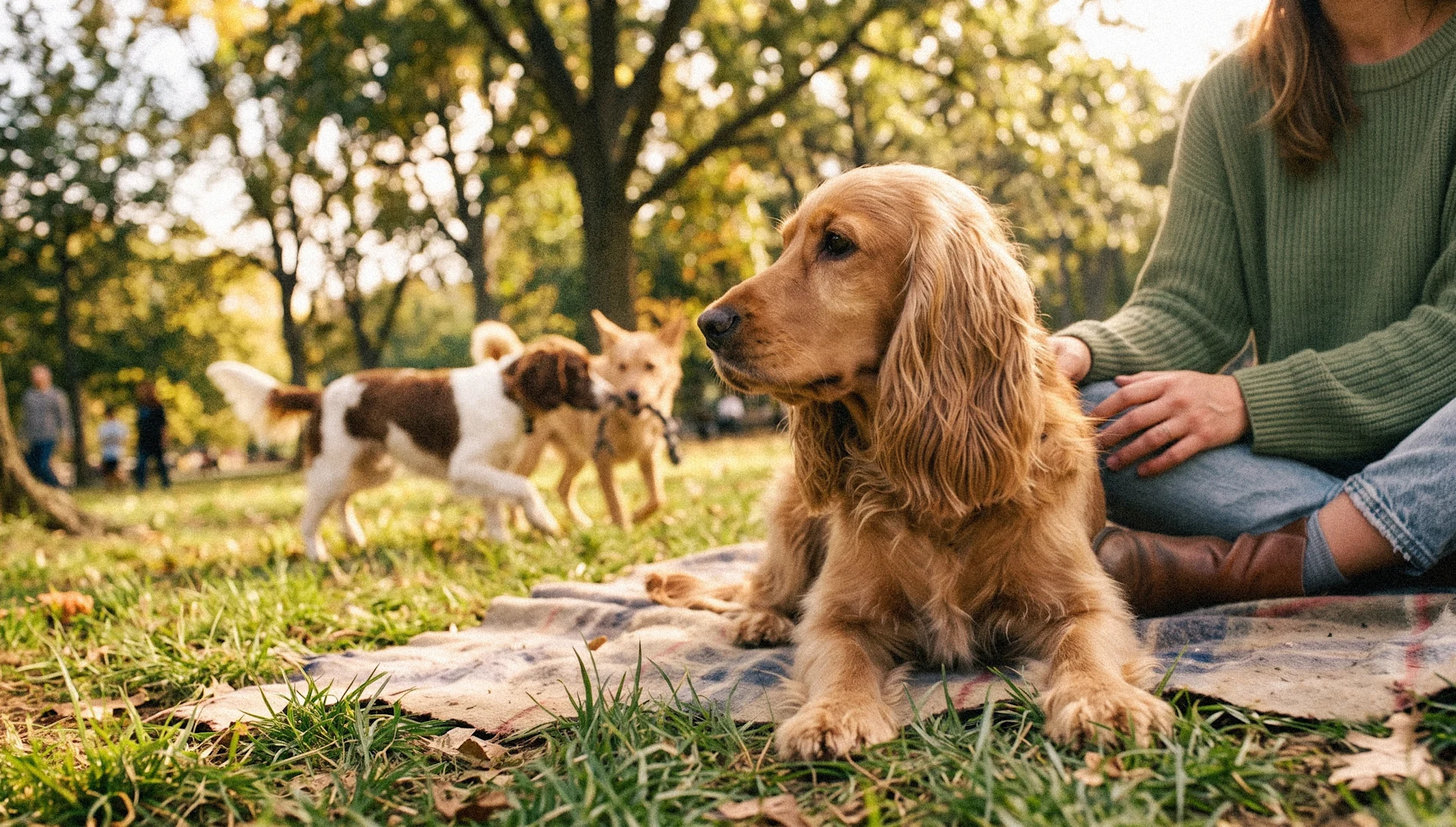
Meeting other dogs is fine if you choose the dogs. Arrange meetings with dogs you personally know are fully vaccinated and healthy, in a clean environment. That is very different from letting your puppy greet whatever comes along in a park.
Avoid the dirty places. Bins, wildlife runs, anywhere foxes and unvaccinated dogs have been. The point is to expose your puppy to the world's sights and sounds, not its ground.
Your puppy's first walk
There should be no leap between socialising and the first walk. If the outings above have been happening for weeks, the first walk is just a continuation with a bit more kit and their feet down more of the time.
Have the kit sorted weeks beforehand. By the time you step out of the front door, the collar, harness and lead should be things your puppy has already worn indoors and stopped thinking about. Introduced separately and early, they become unremarkable. Introduced on the morning of the first walk, they are one more strange thing on a day that is already full of them.
See our step-by-step guide to introducing a collar, harness and lead
Teach eye contact first. It is the most useful thing you can teach an eight-week-old puppy. Start stationary, rewarding your puppy for checking in with you. Then move sideways, then backwards, then forwards, rewarding each time they look up. Add the lead once that is working. That is loose lead walking, built before you ever need it, and it gives your puppy a way to say the world is too much.
A first walk is not about distance. There is no prize for covering ground. Going out, seeing things, having good things happen, and coming home safe is the whole exercise. It is an outing rather than a walk, and treating it that way takes the pressure off both of you.
Garden vs public spaces
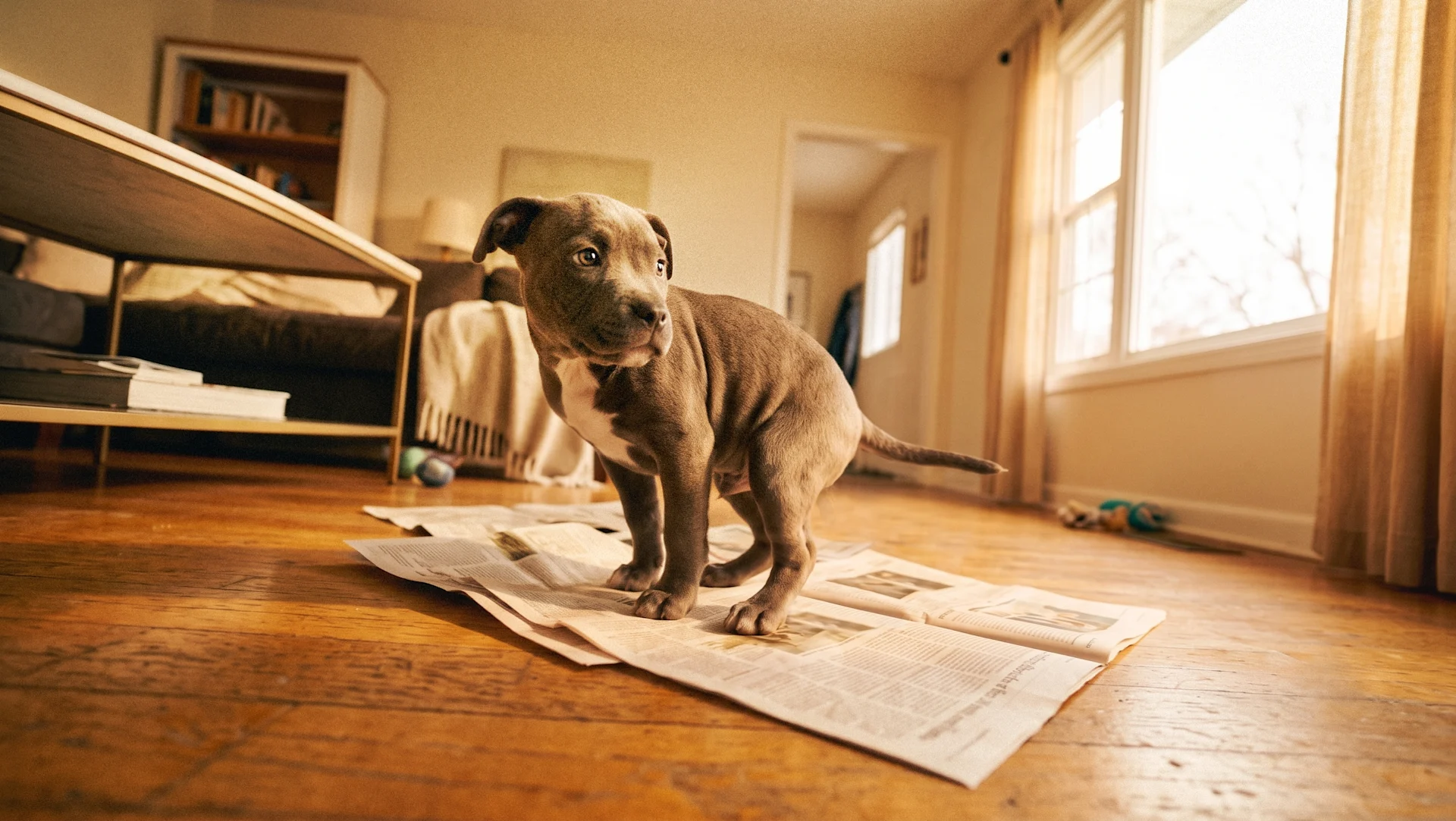
Your own garden is fine from day one. Foxes cross most UK gardens at night and that is not a reason to keep a puppy indoors, or nobody could toilet train one. Supervise them, mainly so they do not eat or lick anything a wild animal has left behind.
Two things do warrant caution. Unvaccinated dogs sharing the space, and a known history of parvovirus in the garden. Ask your vet first in either case.
On a farm, the answer changes. Do not let an unvaccinated puppy roam unsupervised on farmland. Contact with wildlife, or with their urine and faeces, is exactly how these diseases spread.
If you are not sure where the line sits for your puppy, ask your own vet. They know what is circulating locally, and the answer really does differ by area.
Key takeaways
Your puppy can go out in public one to two weeks after their second vaccination.
Stay on pavements and off farmland, woods, ponds and canals until leptospirosis cover is complete, often about three weeks after that second jab. Your vet will confirm it for the vaccine they use.
Parvovirus survives in the ground for months, so a quiet place is not automatically a safe one. The risk is what has been left there, more than the dogs you meet.
The socialisation window is largely closing by twelve to fourteen weeks, before most puppies finish their course.
Socialise before then by carrying your puppy, sitting on a blanket, or using the car, so they see the world without touching the ground.
Arrange meetings only with dogs you know are fully vaccinated.
Introduce collar, harness and lead separately and early, well before the first walk.
Teach eye contact from eight weeks. It becomes loose lead walking.
A first walk is an outing, not a distance. Seeing the world and coming home happy is the point.
Your own garden is fine before the course finishes. Farmland is not.
Frequently asked questions
When can my puppy go outside after their second vaccination? One to two weeks afterwards for public places. Keep to pavements and avoid farmland, woodland, ponds and canals until leptospirosis cover is complete, often about three weeks after that second injection.
Can my puppy meet other dogs before they are fully vaccinated? Yes, if you choose the dogs. Arrange meetings with dogs you know are fully vaccinated and healthy. Hold off on random dogs in public for at least two to three weeks after the second vaccination.
Can my puppy go in the garden before vaccinations are finished? Yes, with supervision, and it is where toilet training has to start. Foxes crossing at night are not a reason to keep a puppy indoors. Ask your vet first if unvaccinated dogs share the space, or if a dog there has had parvovirus.
How do I socialise a puppy who cannot go out yet? Carry them. Sit at a bus stop, on a blanket near a playground, or in the open boot of your car. Let them watch and listen without touching the ground.
When should my puppy have their first proper walk? Once they are cleared to go out, one to two weeks after the second vaccination. Introduce the collar, harness and lead at home weeks before that.
How long should a puppy's first walk be? Distance is not the measure. A short outing where your puppy sees new things, has a good time and comes home settled is worth more than a long walk.
For more, browse our Behaviour & training guides, or follow your puppy's first year, stage by stage.
Natalie Brundish
Editor, HowPets