
Updated
In short
Puppy socialisation is about building optimism in a safe and trusting manner. It is about building emotions, not behaviour, and it means exposing your puppy to the world rather than just to other dogs.
Authored by
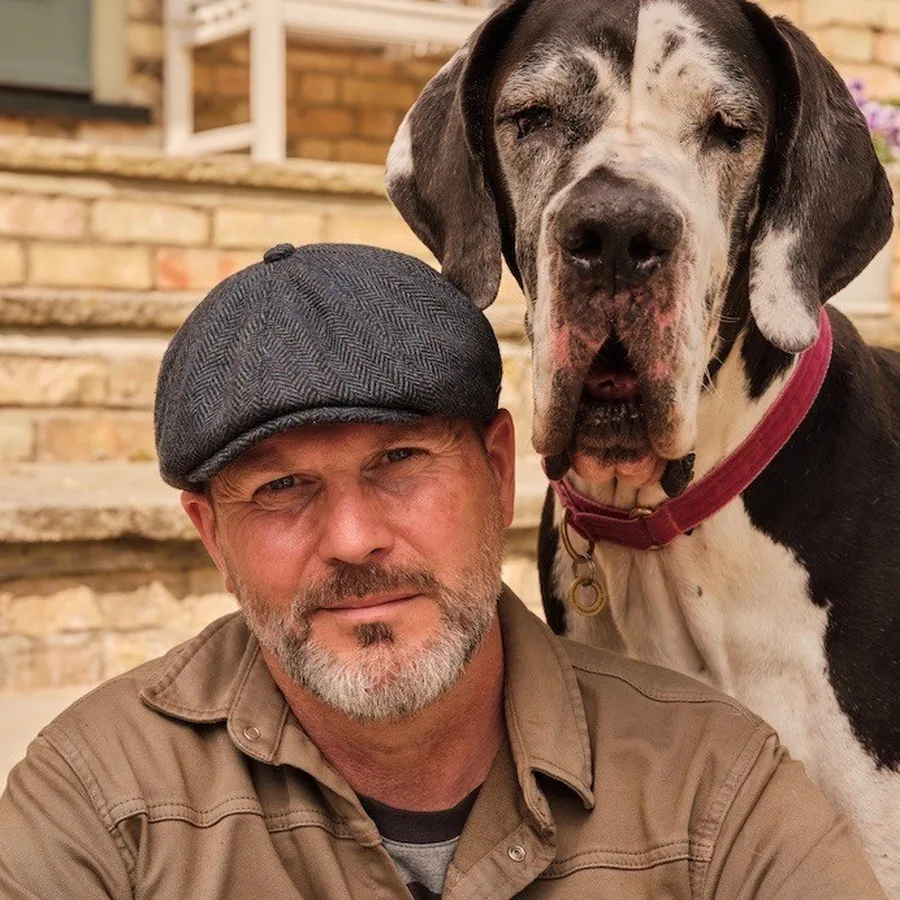 Steve Mann
Dog Trainer & Behaviourist
Table of contents
The window that matters most runs from roughly three weeks to fourteen weeks of age. That closes before most puppies have finished their vaccination course. It is the most common source of confusion for new owners, and the reason a lot of dogs end up needing rehabilitation instead of socialisation.
Here is how I would use the time you have.
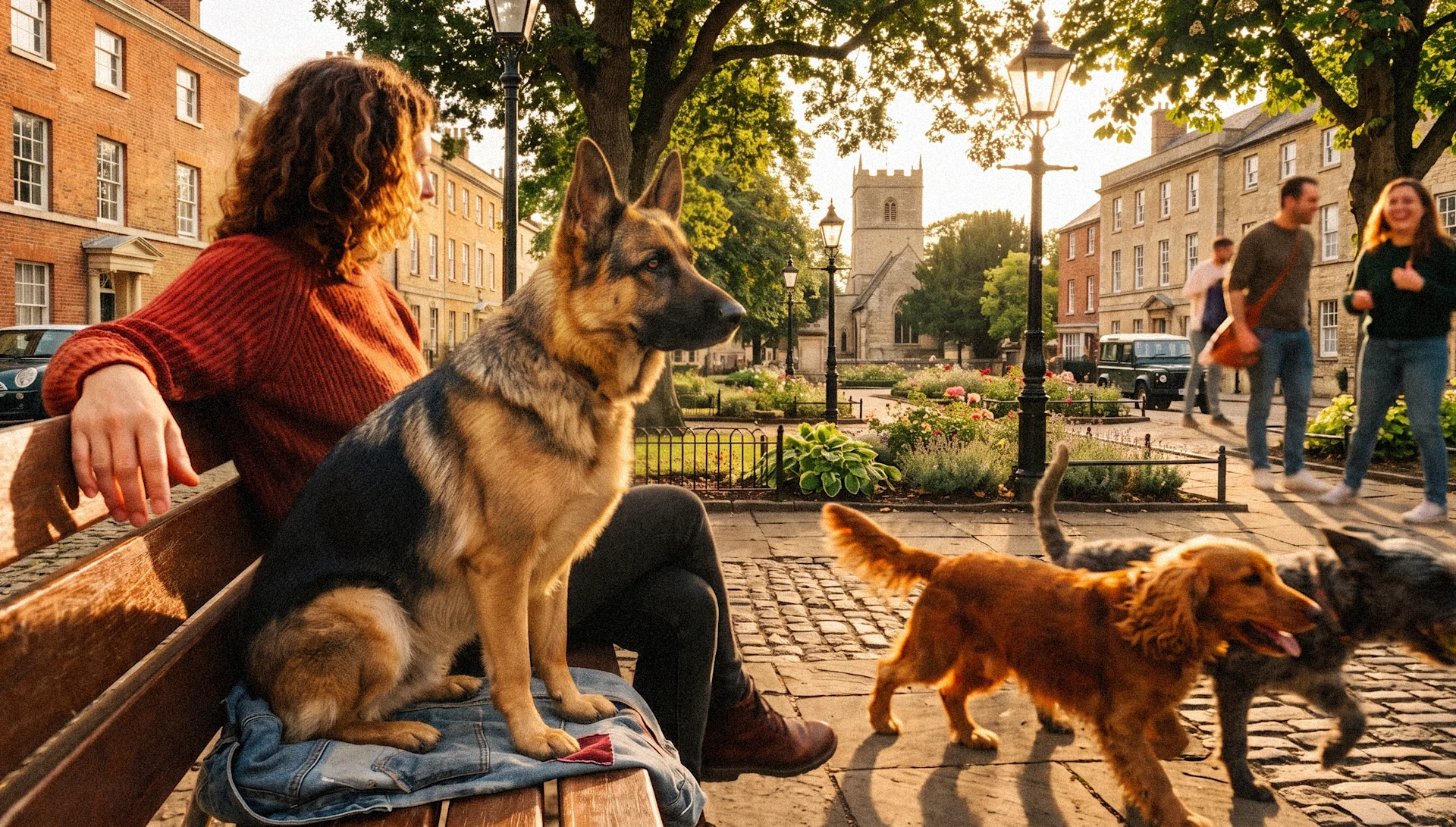
Socialisation is very much more than dogs meeting other dogs. People ring me up and ask whether my classes do socialisation. What they mean is whether we have a dozen dogs let loose in a hall to play rough with each other.
That isn't it. Dogs playing with other dogs might be one per cent of the picture, if that.
Socialisation is exposing your puppy to the world, to the different sights, sounds, smells and textures, in as broad and safe a way as possible. The puppy becomes settled, reliable and optimistic about familiar places, and can generalise that to new ones. It is about building a confident dog.
Owners often get obsessed with sit and down and all the common or garden exercises. That is irrelevant if the pup doesn't feel safe and optimistic. Build the optimism and the safety first, and everything else is so much easier afterwards.
The critical period, sometimes called the sensitive period, is when your puppy is most absorbent to new experiences. There have been studies on this going right back to the 1930s. The boundaries move a little depending on who you read. Generally it runs between three weeks and fourteen weeks of age, give or take, and it sometimes gets pushed out to fifteen or sixteen weeks.
An important part is that they are most absorbent to negative experiences during that period too. A bad experience can plant a seed. But give them positive exposure, a broad range of stimuli and environments, and those connections build. The dog becomes more comfortable in more places, and more reliable later in life.
It isn't as though a shutter comes down at fourteen weeks and the opportunity has gone. It just means that one or two positive repetitions before fourteen weeks might take half a dozen repetitions afterwards to get the same result.
So it is ongoing, and really it's forever. Even with a ten-year-old dog you should still be thinking about the environment and how your dog feels in it.

Get our latest guides, stories and offers by email
Your socialisation did not start when you decided to begin it. It started the second you turned up at the breeder's.
You were a new sight. Then you put the puppy in a strange metal flying machine they had never been in. Then they arrived at your home, a completely different planet. Different smells, different detergent, aftershave, perfume, dinner cooking, a microwave, a TV, a radio. It is happening all the time, and being aware that it is happening all the time is what stops it becoming too intense.
As long as you go at an appropriate intensity, you can introduce everything. There is no fixed order, but there is a sensible way to build.
Start at a distance and close it gradually. Hang out at the edge of a supermarket car park where the cars are moving slowly and there is plenty of distance. Tomorrow, go a bit closer, so the sound is louder.
Go broad, not just numerous. If they see an umbrella, chances are they will be fine with a gazebo. Puppies generalise well as long as you are general in your exposure.
Cover more than sight. We are visual monkeys. I ask owners what socialisation they have done and they reel off everything the puppy has seen, from trains and people to buses, bicycles and skateboards. They never tell me what the puppy has smelled, or what the puppy has touched. Surfaces underfoot, handling, car travel, the vet's waiting room, all of it counts.
Match the intensity to the breed. A Border Collie's hearing is more sensitive than many other breeds, so what is neutral for one puppy is a lot for another.
Introduce kit separately, before you need it. First the collar, on its own. Sit on the living room floor, put it on, touch the collar, treat, touch the collar, treat, take it off, session over. Then the harness the same way. Then a very light, thin lead attached and trailing while you walk around the house. Don't stack novelty on novelty. If you put the harness on and go straight outside, the puppy may not even register the harness, so no conditioning has actually happened.
As soon as you get your puppy at around eight weeks, the clock is absolutely ticking, because that sensitive period will close.
Sometimes an owner hears "you can't take your dog out until they're fully vaccinated" and takes it completely literally. They don't go outside at all until after the final jabs. By then you are not doing socialisation any more. You are doing rehabilitation, and that is a completely different picture.
None of this should contradict the conversation you have with your own vet, and your vet's advice on vaccination timing takes precedence over anything here. What it does mean is that "not on the ground in high-risk places" is not the same as "not outside".
So be considerate about where you go. Avoid the dirty areas, where wildlife has been around the bins, where foxes go, where unvaccinated dogs are.
Then get on with it. Carry the pup, or use a sling. Sit at a bus stop and watch. The fumes, the car engines, the horns, people talking, big red buses pulling in, air brakes. Twenty minutes of that is plenty, and you go home knowing they are going to need to sleep it off.
You can practise lead walking indoors, or on a blanket in a safe spot, well before the first walk. Friends' and family's fully vaccinated dogs are a much lower risk than unknown dogs, so a conversation there is worth having.
Common mistakes to avoid
"Let them sort it out amongst themselves." This is the worst advice in the category. If your puppy feels intimidated by another dog, or is trying to tell that dog to go away, leaving them to it is ridiculously poor guidance. If your puppy tells the other dog to go away and it works, the barking, growling and lunging becomes an instrumental behaviour. It gets reinforced, and they will reach for it sooner next time. You have to be the advocate for your dog, reading their body language and responding to it.
Tightening the lead. When your puppy sees something new on the lead, a park bench they have never encountered, keep the lead slack. Owners tighten up and try to steer, and the tension travels straight down the lead.
Confusing quantity with quality. Owners hear "as much exposure as possible" and take the dog out for ten hours. The puppy gets exhausted, and their tolerance shortens. The exact same experience that was positive in the morning becomes negative by the afternoon. Make sure your puppy always gets sufficient rest.
Stopping once the window closes. It doesn't stop. You just need more repetitions as the dog gets older.
“As long as we go at the pace of the dog, we'll get to this level and feel good. Tomorrow maybe get to the next level and feel good. So it's always a work in progress and we can always make improvements, as long as we're not greedy.”
Steve Mann / Dog Trainer & Behaviourist
Key takeaways
Socialisation is about building optimism and emotion, not obedience. Dogs meeting dogs is about one per cent of it.
The window runs roughly three to fourteen weeks, and puppies absorb bad experiences in it as readily as good ones.
It doesn't stop at fourteen weeks. It just takes more repetitions later.
The window closes before vaccinations finish. Don't stay indoors until the final jab, and follow your own vet's advice on timing.
Carry your puppy, use a sling, sit at a bus stop. Avoid high-risk ground, not the world.
Introduce collar, harness and lead separately and indoors, before you need them.
Never leave dogs to "sort it out amongst themselves". Be your dog's advocate.
Quality beats quantity. An exhausted puppy turns good experiences into bad ones.
Frequently asked questions
How many new experiences a day is too many? There is no number, but the test is rest. If your puppy is getting tired, stop. The same experience that was positive in the morning can become negative once tiredness kicks in and tolerance drops.
Is it too late to socialise a puppy who missed the window? No. Socialisation carries on at any age, including with a fifteen-year-old dog. You just need more repetitions, and you go at the pace of the dog.
Can I socialise before the vaccination course is finished? Yes, and you need to. Keep your puppy off high-risk ground and carry them, and take your own vet's advice on when they can be on the ground in public.
Does socialisation mean puppy classes? Not on its own. A good class helps, but a dozen dogs playing together is not socialisation. The bulk of the work is sights, sounds, smells, surfaces and handling.
What is the difference between socialisation and a walk? There shouldn't be one. Going for a walk is socialisation. If the transition to walks feels like a leap to you or your puppy, something was not conditioned properly beforehand.
Start the collar, harness and lead introductions indoors this week, separately, before you need any of them.
For the vaccination timing that governs when your puppy can be on the ground in public, read our guide to when puppies can go outside. Then speak to your own veterinary practice.
For more, browse our Behaviour & training guides or follow a puppy's first year, stage by stage.
Steve Mann
Dog Trainer & Behaviourist
Steve Mann has been a dog trainer since 1987 and is the founder of the Institute of Modern Dog Trainers. He is the author of Easy Peasy Puppy Squeezy, the UK's best-selling dog training book, and presents the BBC Maestro course Dog Training with Steve Mann.







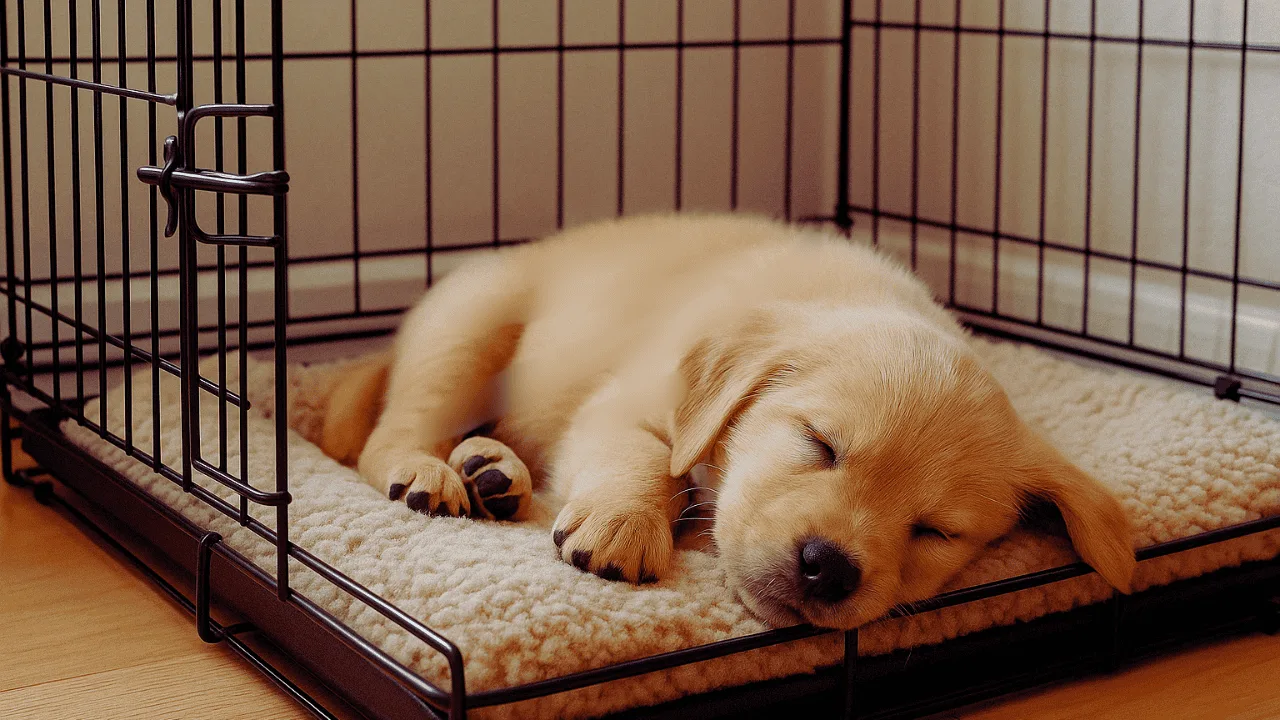
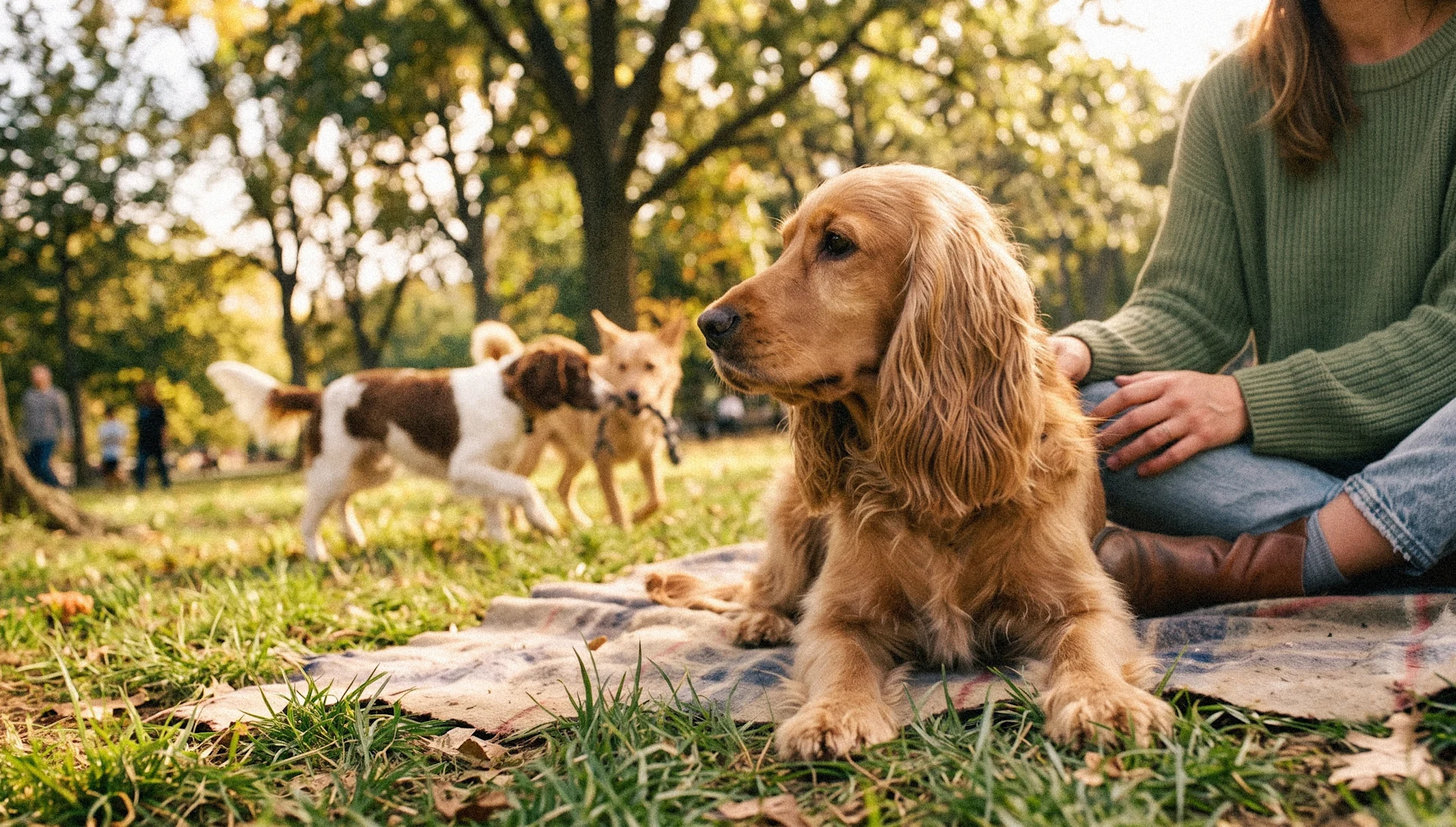
Socialising safely before vaccinations are complete